
Tooth Extraction
Treatment Time
30-60 mins
Price Range
Affordable
Recovery time
3-7 days
Insurance
Most major plans accepted
- Severe tooth decay
- Tooth infection
- Impacted wisdom teeth
- Crowded teeth
- Trauma or damage
At Smile Lane Dental & Orthodontic Clinic, South Dumdum, we provide safe and painless tooth extraction in Kolkata using modern dental techniques and advanced anesthesia for maximum patient comfort.
Tooth extraction may be necessary in cases of severely decayed teeth, impacted wisdom teeth, advanced gum disease, fractured teeth, or overcrowding before orthodontic treatment. Our experienced dental team performs simple extractions and surgical tooth extractions with precision, ensuring minimal discomfort and faster healing.
We prioritize gentle treatment, strict sterilization protocols, and personalized post-extraction care to help patients recover quickly and prevent complications. Whenever possible, we also guide patients on tooth replacement options such as dental implants, bridges, or dentures to restore function and aesthetics after extraction.
If you are searching for tooth extraction near me, wisdom tooth removal in South Dumdum, painless dental extraction in Kolkata, or the best dentist for tooth removal, Smile Lane Dental & Orthodontic Clinic offers reliable, affordable, and patient-friendly dental care to protect your oral health and keep your smile healthy.
- Common Questions
Frequently Asked Questions
What is Tooth Extraction?
Tooth extraction is a dental procedure in which a tooth is removed from its socket in the jawbone. It is typically performed by a dentist or oral surgeon. Tooth extraction may be necessary due to various reasons, such as severe tooth decay, gum disease, tooth infection, overcrowding, or impacted wisdom teeth.
In some cases, a dental implant, bridge, or denture may be recommended to replace the tooth removal and restore functionality and aesthetics to the patient's smile.
What Are The Benefits Of Tooth Extraction?
The benefits of tooth extraction or tooth removal can vary depending on the specific situation and dental condition. Here are some potential benefits:
- Relief from pain: Tooth extraction can alleviate severe toothaches caused by decay, infection, or trauma.
- Removal of damaged or infected teeth: Extracting teeth that are extensively decayed, infected, or damaged beyond repair can prevent the spread of infection and protect the surrounding teeth and gums.
- Correction of overcrowding: Extracting a tooth can create space in the mouth and help alleviate issues caused by overcrowding, such as misalignment, bite problems, and difficulty in maintaining proper oral hygiene.
- Preparation for orthodontic treatment: Tooth extraction may be necessary as part of orthodontic treatment to create space for braces or aligners to properly align the teeth.
- Resolution of impacted wisdom teeth: Wisdom teeth, also known as third molars, often become impacted or partially erupted, causing pain, swelling, and an increased risk of infection. Removing these problematic wisdom teeth can prevent complications and maintain oral health.
- Improvement of overall oral health: By removing diseased or problematic teeth, tooth extraction can contribute to better oral health and prevent further complications, such as gum disease or tooth loss.
It's important to consult with a dentist or oral surgeon to determine if a tooth extraction is the appropriate treatment for your specific dental needs.
How Is the Tooth Extraction Procedure Performed?
The tooth extraction procedure is typically performed by a dentist or an oral surgeon. Here is a general overview of how the procedure is conducted:
- Evaluation and planning: The dentist will examine your tooth and may request X-rays to assess the condition and position of the tooth, as well as the surrounding structures. They will discuss the procedure with you, explain any potential risks or complications, and address any concerns you may have.
- Administration of anesthesia: Before the extraction, the dentist will administer local anesthesia to numb the area around the tooth, ensuring you won’t feel pain during the procedure. In some cases, sedation or general anesthesia may be used for more complex extractions or for patients with dental anxiety.
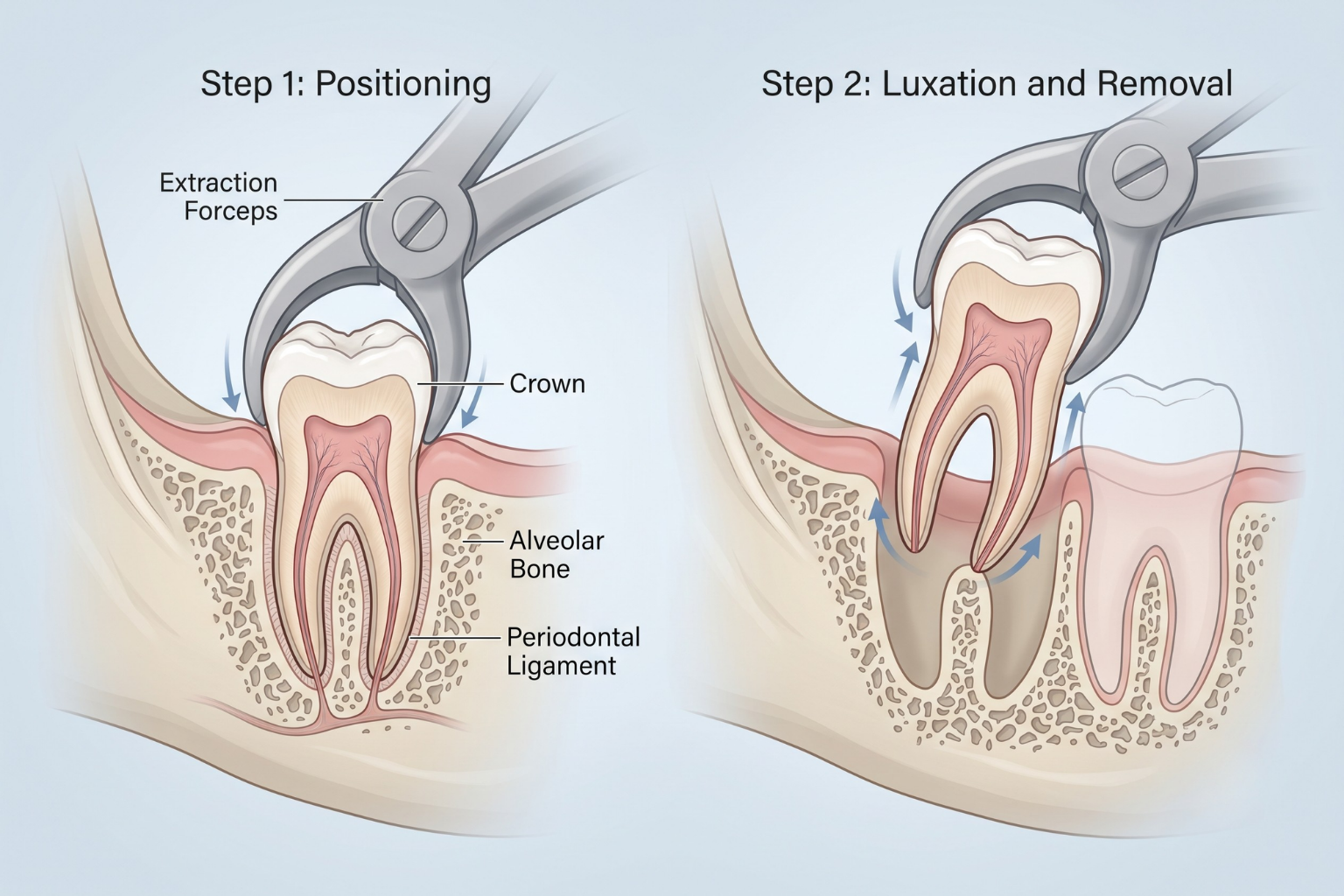
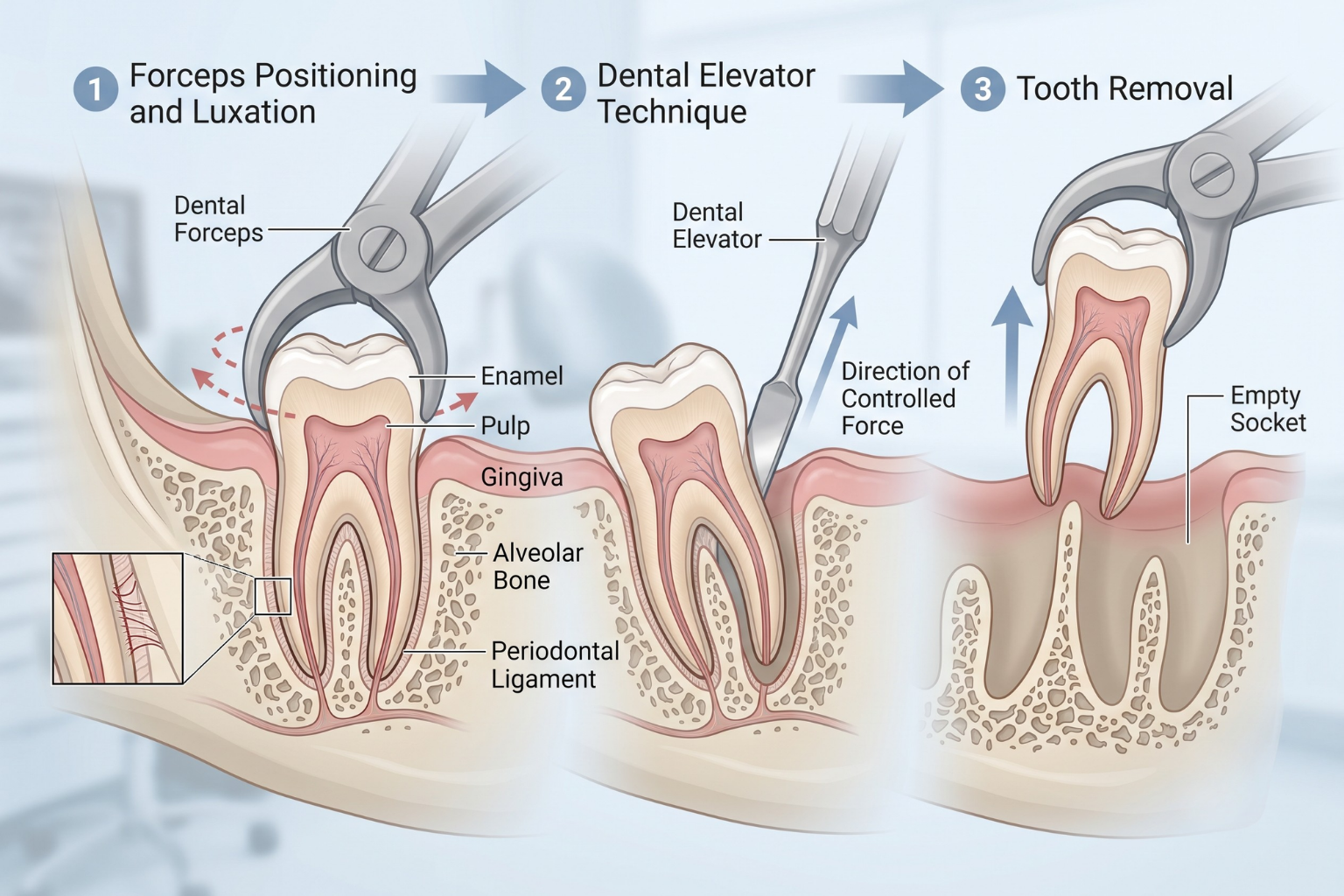
- Tooth extraction: Once the area is numb, the dentist will use specialized instruments to loosen the tooth from its socket. They may gently rock the tooth back and forth to widen the socket and ease the extraction. In some cases, a tooth may need to be sectioned into smaller pieces for easier removal.
- Cleaning and suturing (if necessary): After the tooth is extracted, the dentist will clean the extraction site to remove any debris or infection. In certain cases, such as a surgical extraction or a complex extraction involving impacted teeth, sutures (stitches) may be placed to help with healing.
- Post-operative care: The dentist will provide you with instructions on how to care for the extraction site. This may include guidelines on oral hygiene, pain management, and dietary restrictions. They may also prescribe antibiotics or pain medication if needed.
- Follow-up appointment: It is important to attend a follow-up appointment to monitor the healing process and ensure there are no complications.
It's essential to follow your dentist's instructions and report any unusual symptoms or concerns following the extraction. Each case is unique, and the specifics of the procedure may vary depending on factors such as the location and condition of the tooth being extracted.
How Much Does Tooth Extraction Cost?
The cost of tooth extraction can vary depending on several factors, including:
- Complexity of the extraction: Simple extractions, where the tooth is visible and can be easily removed, are generally less expensive than surgical extractions, which involve more complex procedures such as removing impacted teeth or extracting broken teeth.
- Location: The cost of dental procedures can vary based on the geographic location and the specific dental clinic or practitioner. Dental services in urban areas or more affluent regions may tend to have higher costs compared to rural areas.
- Dental insurance coverage: If you have dental insurance, it may partially or fully cover the cost of tooth extraction. The coverage will depend on your insurance plan and the terms and conditions.
- Additional procedures or treatments: If there are any additional procedures required during the extraction, such as X-rays, sedation, or the need for bone grafting, these can add to the overall cost.
To get an accurate cost estimate for tooth extraction, it is best to consult with a dentist or oral surgeon in your specific location. They will evaluate your individual case, consider any specific requirements, and provide you with a detailed breakdown of the cost involved.



We’ll give you a reason to smile more.
Visit Today!


